Is Roofing Part of Your Energy Management Strategy?

Significant Savings Drive Demand for Cool Roofing

Cool Roofing Options and Choosing the Best Cool Roofing System

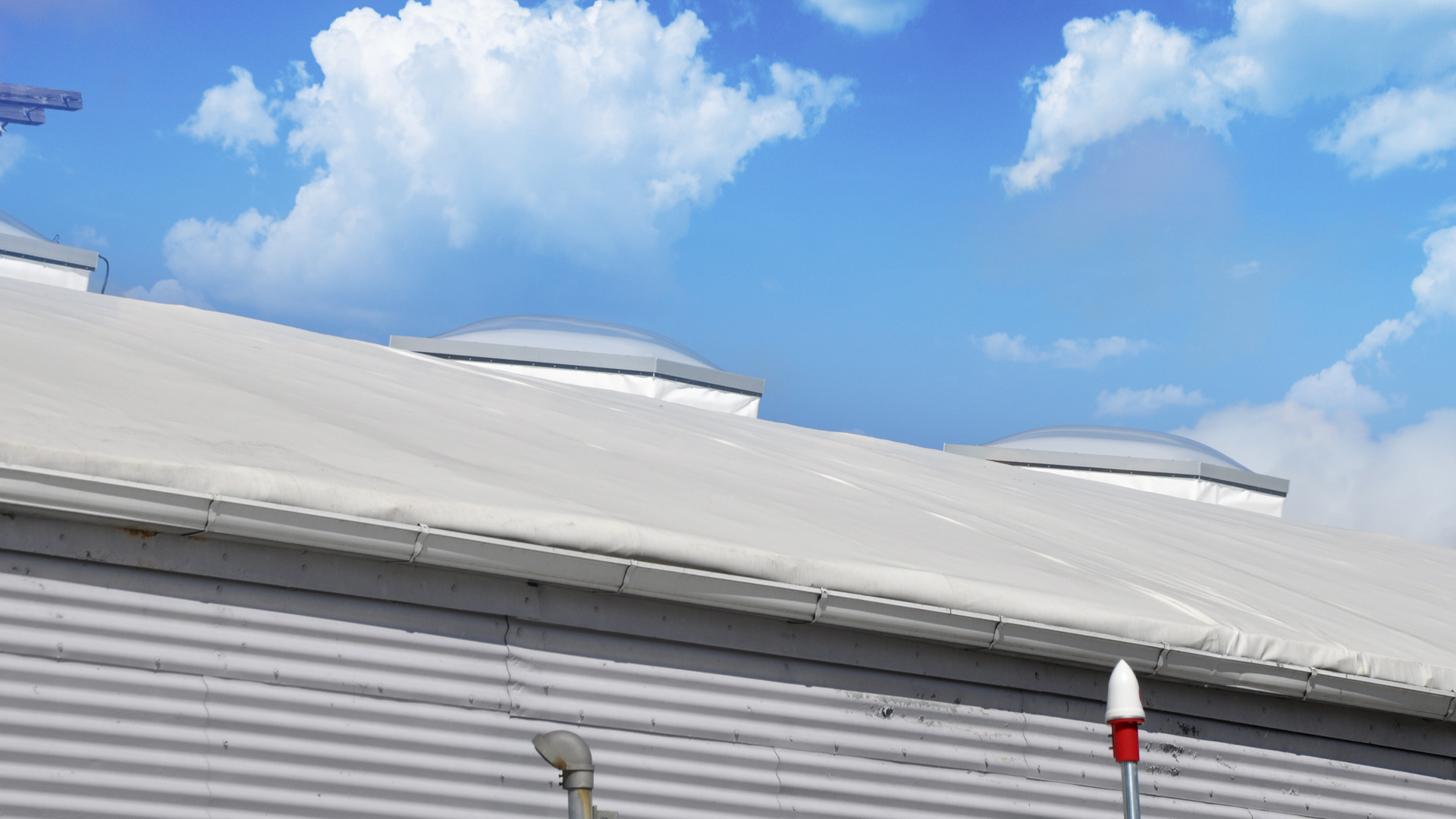
There are two primary types of cool roofing products on the market today: (1) reflective paints and coatings; and (2) single-ply roofing systems. Paints and coatings based on either acrylic or elastomeric chemistry can be an effective short-term solution for reducing energy costs, but most facility owners looking for long-term, low-maintenance solutions opt for a complete single-ply roofing system.

Many roofing products are on the market, which can make choosing the right one a challenge. Fortunately, several objective tools are available to help with the process. Choosing a system from the approved list of products in the EPA’s ENERGY STARĀ® Roof Products Program or from the Cool Roof Rating Council (CRRC) ratings chart is a good way to narrow down the selection process. Products on the ENERGY STAR list undergo rigorous testing before approval to ensure that they meet the established standard for reflectance.

In addition, the ENERGY STAR Roof Products Program has developed an energy savings calculator that projects the potential savings from installing a cool roof compared with alternative “non-cool” systems.

Here is a short list of important factors to consider when selecting a cool roofing system:

  1. Reflectance/emittance performance, both initial and after three years.
  2. Long-term track record of durability and performance.
  3. A good warranty backed by a solid, well-established manufacturer.
  4. Climate and weather extremes in a given location.
  5. Maintenance requirements and ease of repair.

In our next installment we will discuss: Single-Ply Cool Roofing Systems

benchmarkelectronics-s-small

Share:
  • Digg
  • del.icio.us
  • Facebook
  • Google Bookmarks
  • StumbleUpon
  • Technorati
  • Twitter
  • Yahoo! Bookmarks

One Response to “Is Roofing Part of Your Energy Management Strategy?”

  1. Laura Says:

    We installed a Duro-Last roof on our home this year and were told it qualified for a tax rebate. According to the last comments on this blog, it doesn’t qualify because it’s a membrane roof, but Duro-Last is listed on the Energy Star list of qualifying products and according to the Q&A single membrane roofs do qualify. So shouldn’t there be a Manufacturer’s Certification for residential? I just don’t want to end up in tax trouble, but also want to take advantage of the program if we are able. Thanks!

Leave a Reply