Archive for the ‘Roof Safety’ Category

Safety, Safety Everywhere!

Friday, July 23rd, 2010

I recently read an article in Professional Roofing’s July edition titled, A Culture of Safety, by Kaylee Alberico. This is a great addition to our series of posts on rooftop safety where we concentrated on three areas of fall hazard control: elimination, prevention, and protection.

This article discusses how different roofing companies train their employees on safety; a common element is that they take a very active role in enforcing safety and getting employee buy-in. It offers great tips to ensure that ever-changing work areas are safe as well as how to keep employees interested in safety.

Safety training for employees at Duro-Last is tailored specifically to job function, but everyone goes through annual training. Content varies from the very basic to intensive, including such areas as environmental, fall prevention, driving, reviewing incidents from the previous year, and changes in laws.

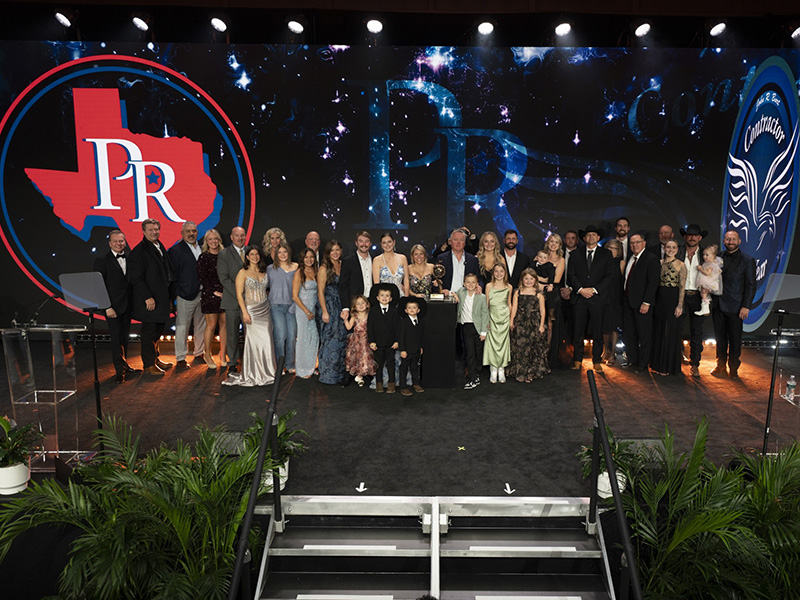
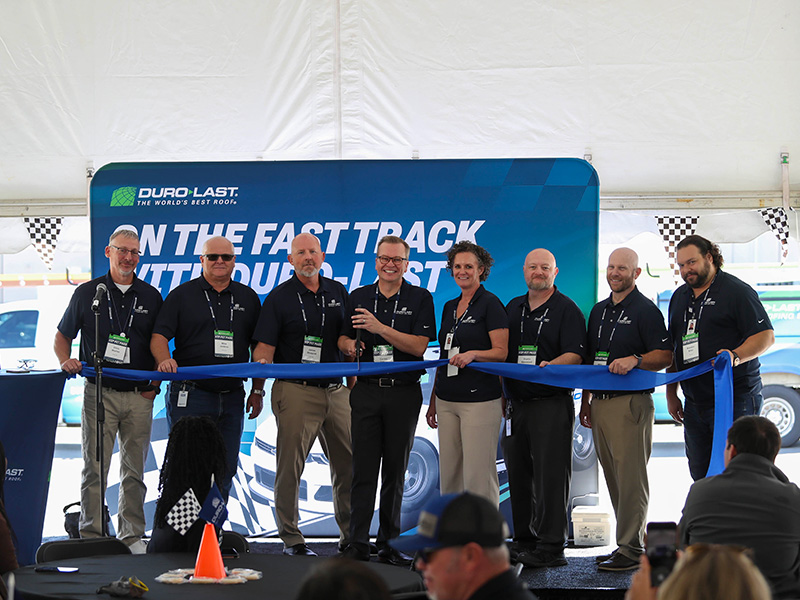
We also have a program to recognize employees as safety milestones have been met. Recently both EXCEPTIONAL® Metals (a division of Duro-Last) and Plastatech® Engineering (a sister company) have reached over 100,000 hours of work without an OSHA recordable accident. These employees were honored with a lunch and recognized for their accomplishment. (See photos below.)

A reduction in recordable accidents directly impacts a company’s bottom line by decreasing workers’ compensation costs, reducing lost production time, and maintaining employees’ well-being. It’s good to know that so many other companies take safety as seriously as we do.

EXCEPTIONAL Metals Luncheon

Plastatech Engineering Luncheon

Fall Hazard Control: Part 4 Protection

Monday, July 12th, 2010

In our introductory post about this topic we discussed how fall hazard control – and corresponding cost control – is increasingly being considered in constructability analyses. “Constructability” is a project management technique that reviews a building project from start to finish, during the pre-construction phase.

We also introduced the three types of fall hazard control: elimination, prevention, and protection. In the previous two posts we discussed elimination and prevention. In this final post we will discuss protection.

Constructibility techniques that support fall protection systems involve, to a large degree, the designation and installation of suitable anchorage points. Personal fall arrest equipment technology is rapidly changing but will always be dependent on adequate anchorage. Roof anchorage which is used successively by construction trades and eventually by operations and maintenance personnel is now commonplace on most newly constructed roofs.

Fall protection systems are active by nature. That is, they require the active participation of the protected worker. Fall protection systems require extensive training both of users and their supervisors, and are dependent upon the availability of the proper personal fall protection equipment. They require adequate anchorage points and are most effective where standards or expectations are clear and discipline for non-compliance is certain. Success (translated as ‘no falls from heights’) is much easier to attain when fall elimination or prevention is accomplished through constructability programs.

The value realized with the widespread use of constructability techniques to accomplish fall hazard elimination and prevention is still often difficult to quantify. A glimpse at the potential savings can be obtained by reviewing worker’s compensation costs and third party liabilities costs. Injuries can amount to millions of dollars of additional costs to facilities construction programs.

Using the hierarchy of preference of controls as a guide, constructability efforts should first aim to eliminate and then prevent fall hazards. Fall protection systems should be the last line of defense. The earlier that falls are addressed in a project, the greater the ability to influence the cost. Properly implemented fall elimination and prevention engineering increases in value over the life of a facility.

Fall Hazard Control: Part 3 Prevention

Thursday, June 3rd, 2010

In our introductory post about this topic we discussed how fall hazard control – and corresponding cost control – is increasingly being considered in constructability analyses. “Constructability” is a project management technique that reviews a building project from start to finish, during the pre-construction phase.

We also introduced the three types of fall hazard control: elimination, prevention, and protection. In the previous post we discussed elimination. We will discuss protection in a subsequent post.

Constructability techniques that address fall prevention need to be identified in the planning or design phase of a project’s life cycle but can also be implemented at later stages. The reliance on equipment and physical installations as opposed to work process planning allows fall prevention consideration to take place throughout a facility’s life cycle.
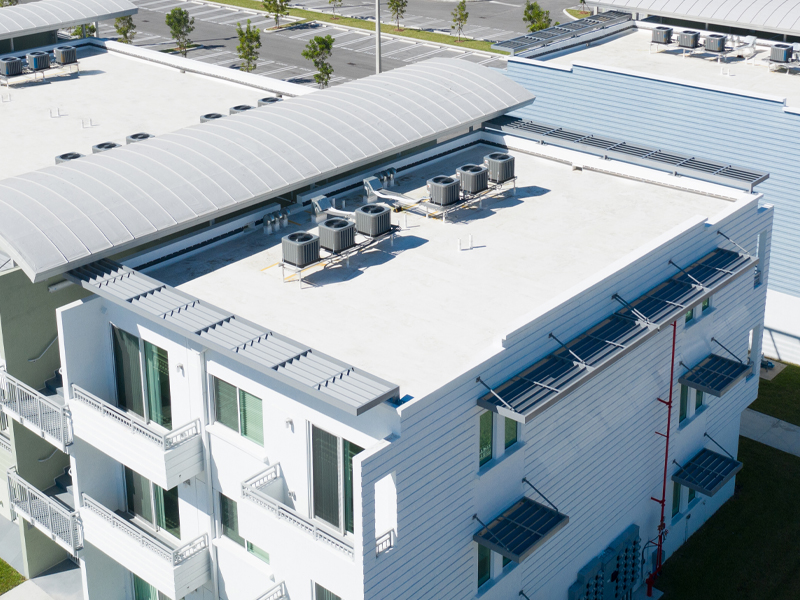

Here are some examples of fall prevention techniques that have gained wide acceptance:

  • Extensive use by all the trades of mobile elevating work platforms and telescopic scaffolding
  • Crane-suspended baskets and suspended scaffolding are now recognized as being inherently safer than reliance on personal fall protection equipment
  • Bringing the work to the worker who is located in a guarded work location surrounded by railing has many productivity and safety advantages
  • The use of warning lines for low-sloped roofing personnel is a significant life saver, if measures have been taken to equip the six-foot area adjacent to the fall hazard with a more substantial method of protection
  • The use of perimeter netting around the edges is becoming more common especially on foreign projects
  • Barricades of all kinds provide protection by preventing exposure to edges or openings and can remain behind to be used for future applications
  • Self-adjusting lanyards (basically horizontal lifelines) are especially flexible in their ability to limit access to perimeter hazards.
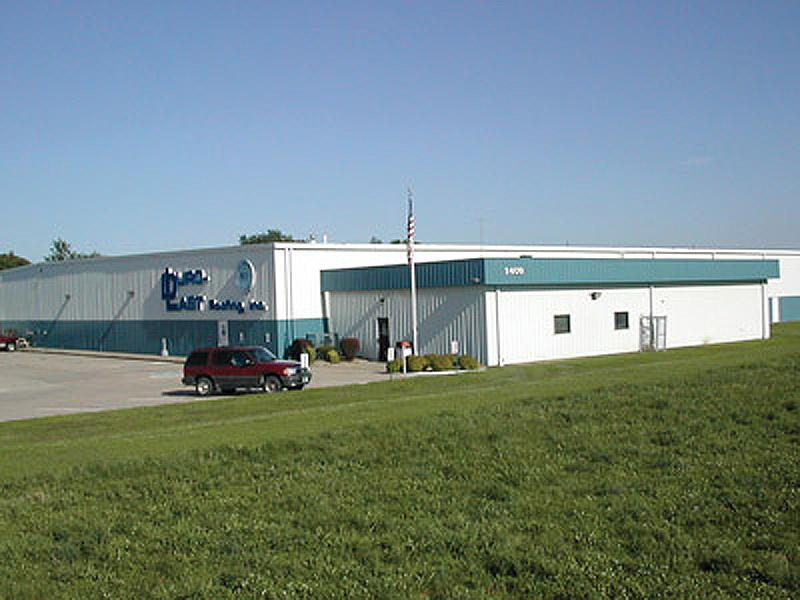
The passive nature of fall prevention systems is dependent on adequate inspection and maintenance to preserve their effectiveness, as is an understanding of the fine line between prevention and protection.
The next post in this series will discuss recent regulatory changes that recognize prevention systems and the differences in their anchorage requirements.

Fall Hazard Control: Part 2 Elimination

Monday, May 17th, 2010

In our introductory post about this topic we discussed how fall hazard control – and corresponding cost control – is increasingly being considered in constructability analyses. “Constructability” is a project management technique that reviews a building project from start to finish, during the pre-construction phase.

We also introduced the three types of fall hazard control: elimination, prevention, and protection. We will discuss prevention and protection in subsequent posts.

Elimination is the first and most effective line of defense against falls from heights. It essentially means that potential hazards should be designed out of facilities while “on the drawing board” – that is, during a constructability analysis.

As the chart indicates, the ability to influence cost is at its highest during the conceptual planning and design phases of the project.

Effective use of fall hazard elimination techniques relies heavily upon the knowledge and experience gained from past projects as well as accessing insights from operations and maintenance staff, designers, construction personnel, and the workers themselves.

When properly planned, large-size projects have the greatest potential to eliminate substantial elevated (such as rooftop) work hazard exposures.

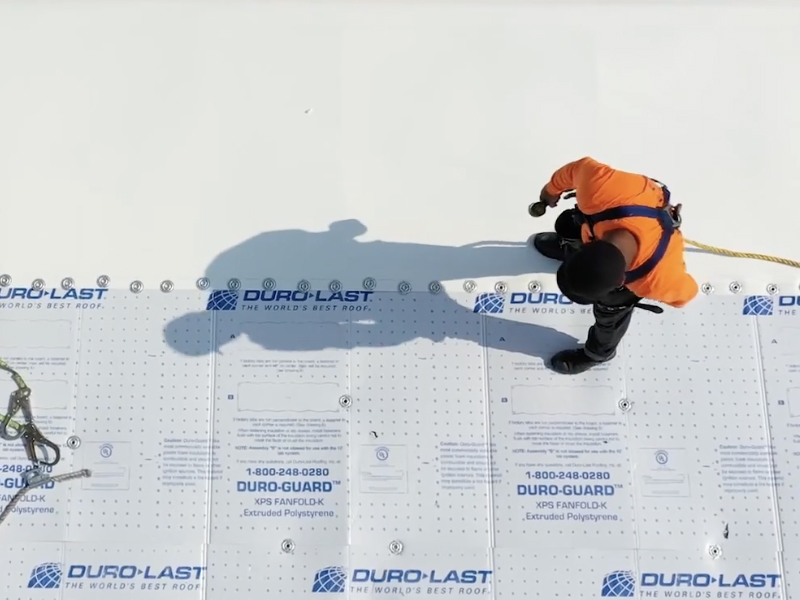
The type of roofing system selected for a building – whether new construction or retrofit – can also help in this regard. An easily-installed, pre-manufactured roofing system reduces the number of installer hours on the rooftop, “eliminating” exposure hours. Other methods include remote control or automated installation.

A roofing system that requires minimal maintenance over its life cycle also eliminates rooftop worker exposure hours.

Fall Hazard Control: Part 1

Tuesday, April 13th, 2010

The construction industry has historically addressed safety concerns primarily as a behavioral issue, with each stage of a project determining the specific hazards that might be encountered during that stage. For example, the construction phase of a facilities life cycle would typically have different workers and hazards than the operations phase, etc. As facility owners become more aware of the soaring cost of workplace injuries and are held more accountable for all phases of a project life cycle, enlightened organizations are acknowledging that certain hazards are indeed present throughout all phases of a project or facilities life cycle.

“Constructability” is a project management technique that reviews a project’s processes from start to finish, during the pre-construction phase. As the chart shows, the cumulative value of constructability (the curved line) increases over time, particularly during the latter stages of a building’s O&M phase and renovation phase.

Fall hazard control is increasingly recognized as uniquely able to prevent significant potential injury cost. When implemented and planned into the design of facilities as part of a constructability analysis, it will spread its value across all phases of a building’s life cycle.

A core concept in the use of constructability to address fall hazard control is an understanding of the hierarchy of preference of controls. This refers to the overall value and effectiveness of the three types of fall hazard control: elimination, prevention, and protection from the effects of a fall.

Here are a couple of examples of how fall hazard control might be included in a constructability analysis:

  • The installation of strategically-placed fixed anchorage points (that can be used for both fall prevention and fall protection) can reduce costs throughout ALL phases of a building’s life cycle.
  • Properly designed parapet walls (minimally 39 inches in height and enclosing the entire rooftop) is ultimately the most effective way of reducing potential fall hazards by enabling fall prevention for all future work or equipment repairs and additions.

Over the course of the next three posts we will discuss each of the three types of fall hazard control; here is a brief overview:

Elimination

This is the first and most effective line of defense against falls from heights. To do it requires a careful assessment of the workplace and the work itself. The “who, what, when, where, why, how, and how much” of each exposure is considered. This pre-consideration of the work and site often not only leads to eliminating the hazard altogether but also identifies alternative approaches to the work that can measurably enhance productivity.

Prevention

The second line of defense and often the most realistic when fall hazards cannot be entirely eliminated, is prevention. This also requires assessment of the workplace and work process. It involves making changes to the workplace so as to preclude the need to rely on the worker’s behavior and personal protection equipment to prevent falls.

Protection

Protection from the effects of a fall is the last line of defense. It should be considered only after determining that the fall hazard cannot be eliminated or the possibility of falling prevented. This is the domain of fall protection and calls for equipment such as safety nets or harnesses, lanyards, shock absorbers, fall arresters, lifelines, and anchorage connectors.

Roof Top Safety

Tuesday, December 8th, 2009

Safety is a fundamental quality work process and workforce behavior for any successful organization. Duro-Last itself has a corporate safety philosophy that emphasizes “fall prevention” as opposed to “fall protection.” This not only improves the safety of our employees but results in a higher quality installation and often reduces time on a customer’s roof.

The U.S. Department of Labor’s Occupational Safety and Health Administration (OSHA), was created in 1971 after President Richard Nixon signed the Occupational Safety and Health Act. According to OSHA, falls are the leading cause of work fatalities in the construction industry. Recently, federal and state OSHA programs across the country have targeted rooftop work as a special emphasis due to the increased fatality and injury rate from rooftops and ladders. Penalties for violations range from $0 to $70,000 each, depending how likely the violation is to result in serious harm to employees.

OSHA provides both employers and employees with the education needed to create a fall prevention plan. OSHA has created an information booklet titled Fall Protection in Construction that provides a generic overview of particular standards-related topics regarding fall protection.

Regarding low-sloped roofs specifically, each employee shall be protected from falling by:

  • Guardrail systems
  • Safety net systems
  • Personal fall arrest systems, or a combination of a warning line system and guardrail system
  • Warning line system and safety net system
  • Warning line system and personal fall arrest system, or
  • Warning line system and safety monitoring system

OSHA offers another publication titled Safety and Health Program Management Guidelines to assist employers and employees in developing effective safety and health programs. This guideline identifies four general elements that are critical in developing a successful safety and health management program:

  • Management commitment and employee involvement
  • Worksite analysis
  • Hazard prevention and control
  • Safety and health training

OSHA also offers a free and confidential onsite consultation which includes an appraisal of all mechanical systems, physical work practices, and environmental hazards of the workplace and all aspects of the employer’s present job safety and health program.