Positive Responses to Negative Statements About PVC: Part 1

January 5th, 2009

Recently there have been renewed criticisms of vinyl building products by some activists who have traditionally taken an anti-PVC stand. In this post and others to follow we’ll address some of these negative statements with facts about the use of vinyl building materials.
Statement:  “The USGBC report concluded that PVCs are bad.”

The facts: This statement is a reaction to The US Green Building Council’s Technical and Scientific Advisory  Committee’s (TSAC) February 2007 report: Assessment of the Technical Basis for a PVC-Related Materials Credit for PVC.

In reality, the TSAC PVC Task Group reaffirmed their conclusions from the earlier draft report that PVC should not be considered for a negative credit in the LEED rating system.  According to USGBC’s president, “TSAC’s report identified critical gaps in our understanding of how materials impact our health and environment.” TSAC’s conclusions on PVC’s environmental impact state that awarding a LEED credit for avoiding PVC’s would be a “blunt instrument” that could “steer decision makers toward using materials that are worse on most environmental impacts.”

The report was not intended to determine which alternative is “best” in any application, only whether PVC is consistently among the worst alternatives.  Only four categories of products were reviewed in the study: siding, pipe, resilient flooring, and window frames.  To generalize any findings and apply them to all vinyl products would be a misrepresentation of the information. Human health analysis focused on what may happen if end-of-life PVC burns accidentally in landfills or backyard.  But it did not consider the same potential with other materials compared in the analysis.  By its own admission, the report states that “Health impacts from exposure to dioxin emissions from accidental landfill fires and barrel burning of PVC and other materials are highly uncertain for a variety of reasons.”

The upshot: When considered over their entire lifespan, products made of PVC are no worse and may be better than alternatives that have not been tested.

In our next installment, we’ll look at this statement:  PVC products are made using chlorine and chlorine is bad.  Environmentalists are right to want to eliminate chlorine from the face of the earth.

Black Roofs vs. White Roofs: Energy Information Sides With White Roofs

December 30th, 2008

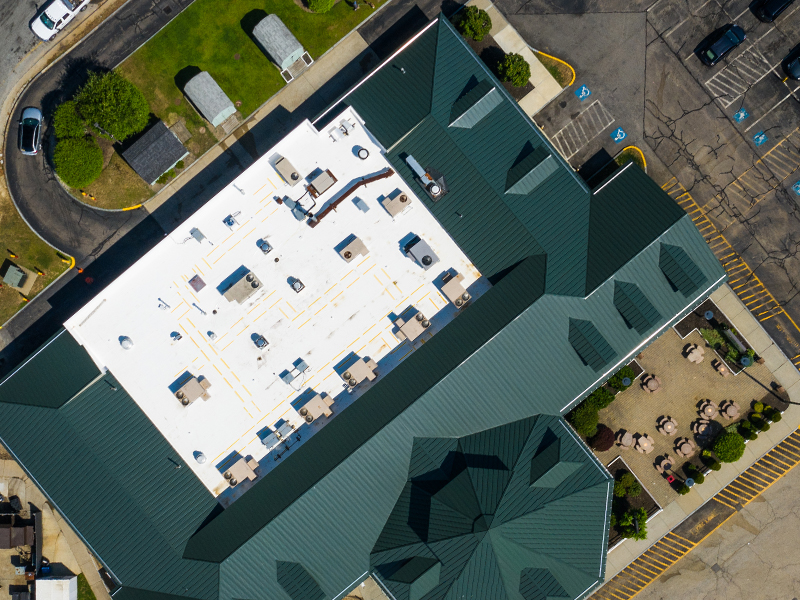
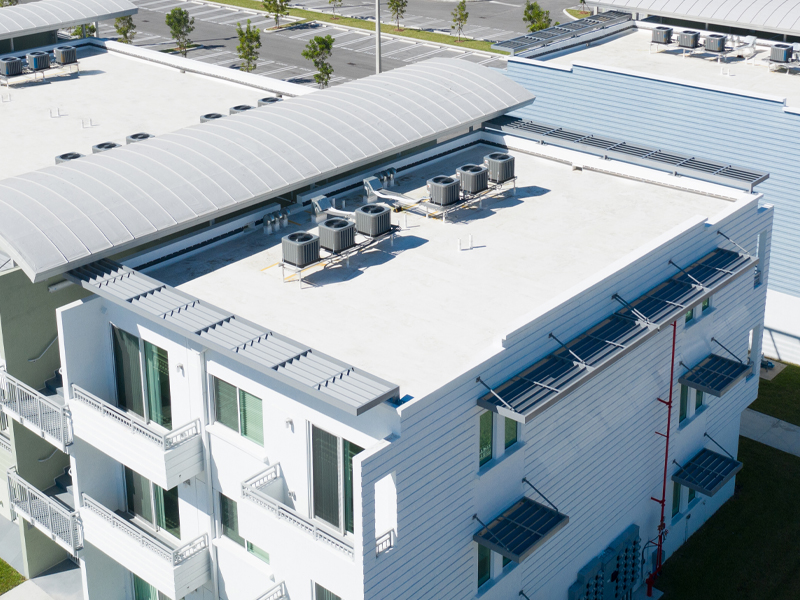
There are many misconceptions when it comes to the perceived benefits of black roofs compared with white roofs.

Those living in a northern climate may think that summertime energy savings realized with a white roof will be offset by the elimination of a beneficial heating gain that might occur with a black roof in the winter; that the heating benefit of a black roof is greater than the cooling benefit of a white roof. However, several factors make any potential wintertime heat gain from a black roof relatively immaterial:

  • The laws of physics dictate that hot air will always rise. Thus, any heat that is transferred to the interior of a building structure from the outside will remain at the top of the structure, providing minimal heating benefits to occupants below.
  • In all parts of North America in the winter, there are fewer hours of sunlight available to contribute to warm a building. In fact, in some areas, there is more than a six-hour difference between peak-summer and peak-winter sunlight. Plus, the angle of the sun is less direct, which also helps to minimize potential warming.

  • In many areas, roofs are covered with snow for much of the winter, turning them “white,” and eliminating any potential black roof heat gain.
  • The energy required to air condition a building in the summer is usually considerably greater than the energy to heat it in the winter, making the potential for summer energy cost savings much greater with a highly reflective white roof than winter savings with a heat absorbing black roof.

The A Through Z Of Associations Part 1

December 22nd, 2008

There are many associations that roofing manufacturers, contractors and other industry professionals can be involved with. Some are technical and engineering-oriented; others are sales and networking associations; and some deal with each of these aspects in the roofing and construction industries.

This is the first in a series of posts that will discuss the various associations that benefit roofing manufacturers, contractors, and other industry professionals.
AIA

Since 1857, the American Institute of Architects (AIA) has been a leading professional membership association for licensed architects, emerging professionals, and allied partners.
Each year, the AIA sponsors hundreds of continuing education programs to help architects maintain their licensure; sets the industry standard for Contract Documents with more than 100 forms and contracts used in the design and construction industry; provides countless web-based resources for emerging architecture professionals; helps members connect with one another in more than 20 knowledge communities, 300 local and state components, as well as several blogs; conducts market research and provides analysis of the economic factors that affect the business of architecture; and serves as an advocate for the architecture profession.

ASHRAE

Founded in 1894, the American Society of Heating, Refrigerating and Air-Conditioning Engineers (ASHRAE) is a nonprofit technical organization whose 50,000 members influence the direction of heating, ventilation, air-conditioning and refrigeration (HVAC&R) technology by creating industry standards and recommended procedures and guidelines, as well as developing research, and writing technical information.

ASHRAE’s areas of expertise include:

Energy-efficiency
• High-performance buildings
• Indoor air quality
Green building design
• Building codes and standards
Saving energy during blackouts
• Data center air conditioning and ventilation
• Health concerns such as Legionnaire’s disease and mold growth
Guidance for a safe environment during extraordinary events

The ASHRAE sets the energy code standards for various materials used in the roofing and construction industries, including insulation thickness and the R-value of a product.

ASQ

The American Society for Quality (ASQ) is a leading authority on quality. This professional association advances learning, quality improvement, and knowledge exchange to improve business results, and to create better workplaces and communities worldwide.

The ASQ offers technologies, concepts, tools, and training to quality professionals and practitioners, along with everyday consumers, encouraging all to Make Good Great®.

Globally, the ASQ has formed relationships with other nonprofit organizations that have similar missions and principles. Its international strategic alliances help meet the quality needs of companies, individuals, and organizations worldwide.

Faces of Duro-Last: Roger Bowser

December 18th, 2008
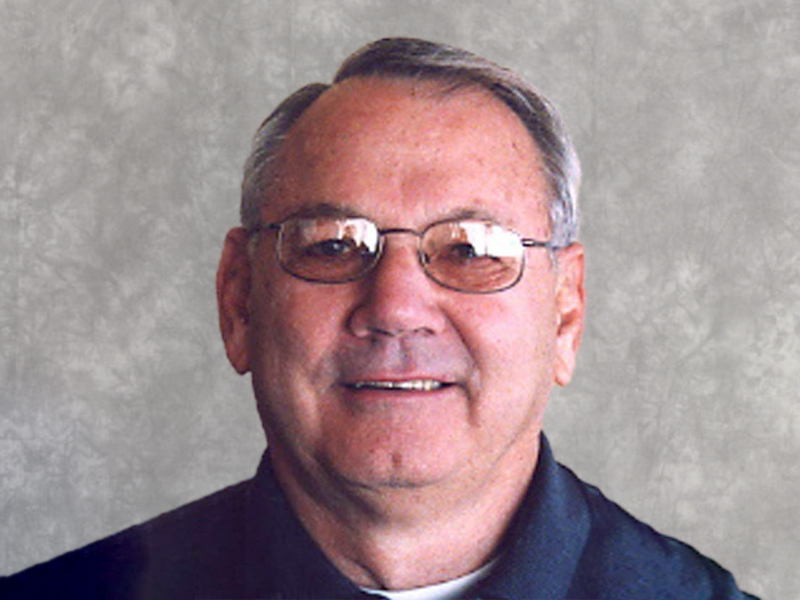
Roger Bowser - Corporate Accounts Sales Representative

Roger BowserCorporate Accounts Sales Representative

Roger Bowser joined Duro-Last as a Corporate Accounts Sales Representative in May of 2008. He is responsible for creating new opportunities with Fortune 500 companies for the Duro-Last network of contractors.

Bowser was formerly the Senior Business and Product Development Manager at Waste Management Upstream. He has over 20 years of business-to-business selling, which has helped him create relationships with decision makers of major companies that own and operate multiple facilities in numerous locations; experience that has greatly assisted him in his sales position at Duro-Last.

“I really like working at Duro-Last,” said Roger. “I enjoy building relationships with prospective accounts and landing new business for the company. Once I’ve gained a customer’s trust, I work hard to keep it, and Duro-Last’s credibility throughout the market helps me do that.”

As an employee who works from his home and travels regularly, Roger appreciates all the support and resources that Duro-Last offers him.

“With a privately-held company such as Duro-Last, you are like a family member and everyone is willing to help and guide you along,” he said. “Plus, these types of companies seem to be more nimble in the marketplace and able to offer their employees added incentives and support.”

“It’s my pleasure to be working here,” said Roger.

Bowser earned a bachelor’s degree in natural resources from Ball State University.

He resides in Cassopolis, Michigan with his wife, Becky, and children, Debra, Kelly, and Shawny.

Project of the Month: Merrick, Inc., Vadnais Heights, Minnesota

December 17th, 2008

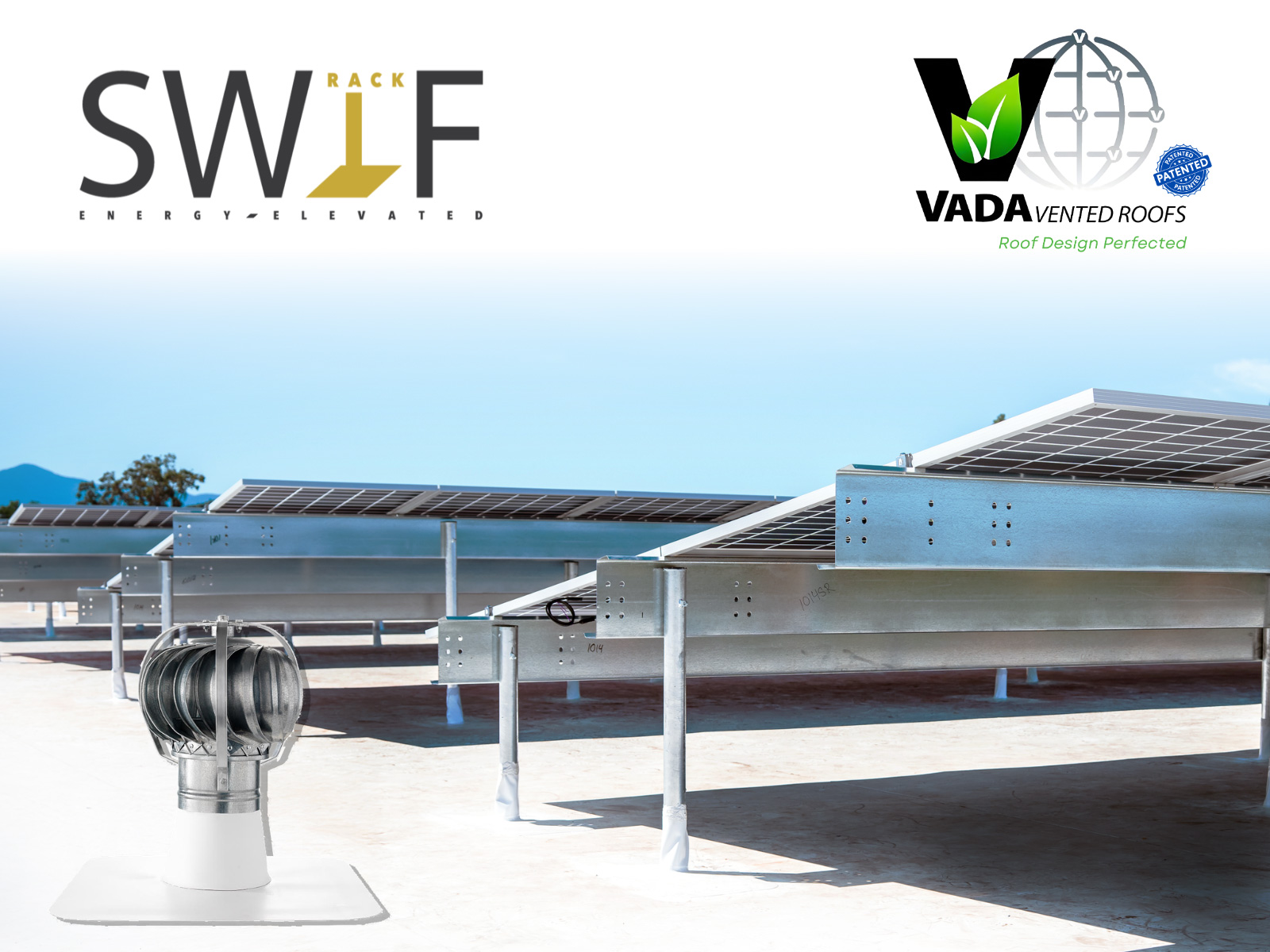
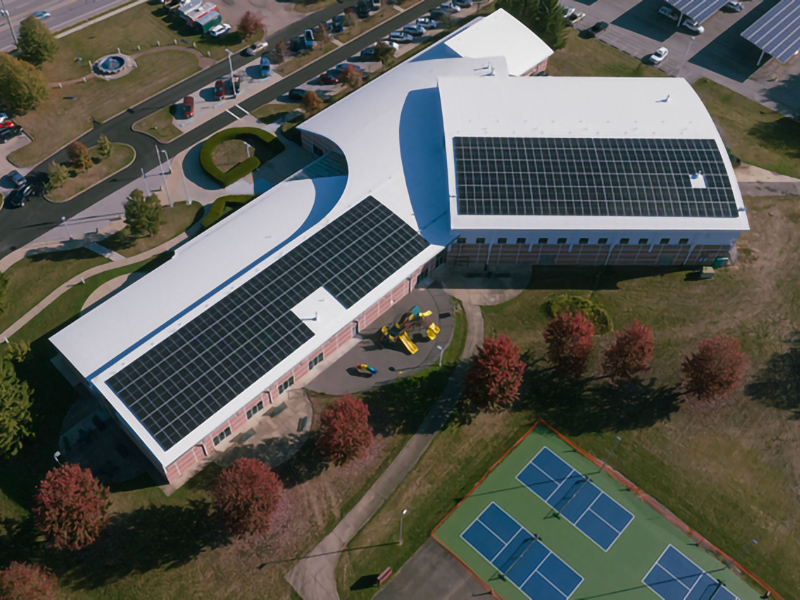
The Duro-Last roofing system has been installed on the Merrick, Inc. building in Vadnais Heights, Minnesota. The project was completed at the end of August 2008 and is the largest solar electric application in the state, with 525 solar panels installed that are expected to produce 130,000 kilowatts of electricity a year. Beneath the solar electric system, the building is protected by over 50,000 square feet of Duro-Last’s single-ply PVC roofing system.

Merrick’s prefabricated roofing system was manufactured at Duro-Last’s Sigourney, Iowa, facility and installed by authorized contractor Four Seasons Energy Efficient Roofing, Inc. of Marine on St. Croix, Minnesota. “Duro-Last’s white membrane was the ideal system for this installation because it is solar-ready. It’s easy to install, and because it’s prefabricated, I can be confident that Merrick won’t have to worry about leaks underneath the solar system,” said Darrell Schaapveld, owner of Four Seasons.

The Duro-Last roofing system is an excellent sustainability choice. The white membrane’s high reflectivity benefits the building in rooftop areas where sunlight is not being collected by the solar panels. Because every Duro-Last roof is factory-prefabricated, less on-site waste is produced during installation.

The Duro-Last-plus-solar roofing assembly complements the buildings many other sustainable building features. Among them: a geothermal energy system under the parking lot, powered by the rooftop solar panels, will provide both heating and cooling; every room will have occupancy sensors to control electrical usage; the building will have energy-efficient insulation and windows throughout, maximizing natural light.

According to Duro-Last Vice President of Sales and Marketing, Steve Ruth, “This installation reinforces our leadership in the sustainable roofing market. The Duro-Last roofing system is increasingly being installed throughout the United States as the waterproofing membrane of choice for solar, vegetative, and other ‘green’ building applications.”

Green Dictionary

December 8th, 2008

Carbon Footprint - a measure of the amount of carbon dioxide produced by a person, organization, or location at a given time.

Cool Roof - a roof that reflects the sun’s heat and emits absorbed radiation back into the atmosphere.

Closed-loop process - an environmentally friendly production system in which any industrial output is capable of being recycled to create another product.

ENERGY STAR® - a joint program of the U.S. Environmental Protection Agency and the U.S. Department of Energy helping us all save money and protect the environment through energy efficient products and practices.

Greenwashing - the practice of promoting environmentally friendly programs to deflect attention from an organization’s environmentally unfriendly or less savory activities.

Green building - the practice of creating structures and using processes that are environmentally responsible and resource-efficient throughout a building’s life-cycle from siting to design, construction, operation, maintenance, renovation and deconstruction.

ISO 1400 - addresses various aspects of environmental management. The first two standards, ISO 14001:2004 and ISO 14004:2004 deal with environmental management systems (EMS). ISO 14001:2204 provides the requirements for an EMS and ISO 14004:2004 gives general EMS guidelines.

Post-consumer recycled content - material from products that were used by consumers or businesses and would otherwise be discarded as waste.

Post-consumer waste - materials or finished products that have served their intended use and have been diverted or recovered from waste destined for disposal, having completed their lives as consumer items.

Recycled content - made from materials that would otherwise have been discarded. Items are made totally or partially from material destined for disposal or recovered from industrial activities-like aluminum soda cans or newspaper. Also, can be items that are rebuilt or remanufactured from used products such as toner cartridges or computers.

Recycling - to treat or process (used or waste materials) so as to make suitable for reuse.

Reuse - to use again, especially after salvaging or special treatment or processing.

Sustainability - meeting the needs of the present without compromising the ability of future generations to meet their own needs.

Sources: dictionary.com; usgs.gov; iso.org; epa.gov; dictionary.bnet.com; coolroofs.org

Duro-Last Finalizing Plans For 2009 National Sales Seminar

December 1st, 2008

Duro-Last Roofing, Inc. will hold its 2009 National Sales Seminar January 25-27 at the Hilton Daytona Beach Ocean Walk Village in Daytona Beach, Florida. This annual event honors authorized Duro-Last roofing contractors for their sales achievements during the previous year, and includes several educational sessions that cover a variety of roofing and business management topics. This year’s Seminar will also feature guest speakers Jim Pancero, Paul Montelongo, and Mark Scharenbroich. All are noted presenters and authors, and have extensive corporate training experience.

The theme of the 2009 Sales Seminar is Above & Beyond, which captures the spirit of Duro-Last’s contractor network. In a year with multiple national economic challenges, many of them in the construction area, our contractors have continued to demonstrate a solid commitment both to Duro-Last sales opportunities and to providing exceptional service to their customers. We take great pride in honoring them at this event.

In recent years, one of the most popular Seminar activities has been the Roofers’ Challenge, in which small contractor installation teams compete against one another to see which team can install a Duro-Last roof the fastest and with the highest quality. To prepare for this event, Duro-Last authorized contractor Damschroder Construction, LLC of Fremont, Ohio, is conducting its own roofer’s challenge. The best Damschroder two-man installation team will receive a free trip to the Duro-Last Sales Seminar to compete against teams from all over the United States. Owner Dave Damschroder clearly takes the Duro-Last Roofers’ Challenge seriously: “We see this as a great opportunity to encourage our installers to realize their important part in the big picture of building customer satisfaction while having a great experience at the Seminar!”

We’re looking forward to seeing Dave, his crew, and hundreds of other Duro-Last contractors in Daytona in January.

Greenbuild 2008

November 26th, 2008

You could say that some vendors were “green” with envy after they saw the rooftop garden and photovoltaic installation photos that were displayed at the Duro-Last booth during the U.S. Green Building Council’s Greenbuild International Conference and Expo, which took place in Boston, November 18-20.

More than 27,000 attendees visited the 700+ exhibitors that filled the Boston Convention & Exhibition Center with a sea of green booths and “sustainability” displays.

According to Drew Ballensky, General Manager at the Duro-Last Sigourney, Iowa Plant, there was a tremendous amount of interest at the Duro-Last booth. Much interest was from rooftop garden manufacturers looking for a waterproofing system to use under their vegetative systems.

“Duro-Last is increasingly becoming the roofing choice under rooftop gardens and solar applications,” he said.

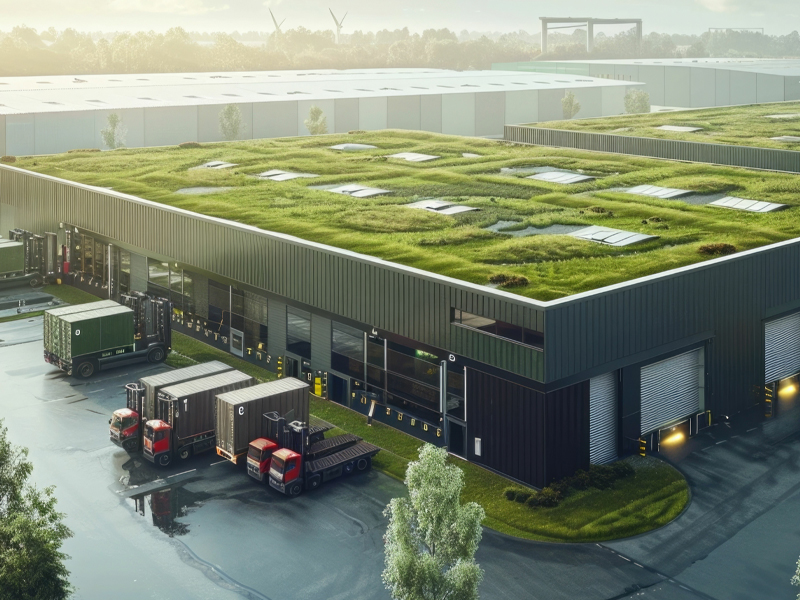
“The high level of interest at the show in vegetative and solar systems drew many people to the DL booth. These visitors were interested in a sustainable membrane system that would complement an investment in environmentally-friendly rooftop garden and PV applications. The Duro-Last Cool Zone® roofing system is a great fit in these situations.”

Other booth visitors were attracted because of the Cool Zone system’s high reflectivity and emissivity levels, which can help building owners save money on cooling costs.

As another successful Greenbuild Expo comes to a close, we look forward to the 2009 event, which will take place November 11-13 in Phoenix, Arizona. Undoubtedly, the interest in green construction and sustainable building practices will continue to grow, and Duro-Last is excited to be a key part of this important trend.

The PVC Advantage

November 20th, 2008

PVC roofing membranes are superior roofing materials for many reasons:

Vinyl is inherently flame resistant

  • Most vinyl membranes will not support a flame when the fire source is removed.
  • High flame resistance can make it easier for PVC roofing systems to attain Class-A fire ratings than for other roofing systems.
  • Combustion, especially incomplete combustion, is a source of many environmental toxins (backyard refuse burning and residential wood burning are two major sources).
  • A roof membrane that doesn’t burn is less likely than a flammable roofing material to emit potentially harmful substances.

PVC membranes are flexible

  • Most PVC membranes are very flexible and can be easily customized to accommodate rooftop variances.
  • Some vinyl roofing systems are custom-made (prefabricated) to fit each building. Customization can reduce the potential for scrap and waste at the job site.

Vinyl membranes are lighter in weight than other roofing systems

  • Vinyl roof membranes typically add very little weight to an existing structure.
  • In a re-roof situation, a PVC roof can often go directly over the existing system. This avoids costly tear-offs, meaning no asphalts, felts or other old roof materials go into landfills.

PVC membranes are heat-weldable

  • PVC membranes can be heat-welded, which produces the strongest and most reliable seams. Reducing the potential for leaks to occur also reduces the possibility for interior dampness and subsequent mold to develop.
  • Some vinyl membranes use two-way venting, which allows the roofing system to “breathe” and can reduce the potential for trapped moisture.

Vinyl roofs can be highly reflective

  • Some vinyl roofs are highly reflective, keeping buildings cooler, reducing energy demand, and helping mitigate urban heat island effects. Cooler cities reduce dependence on limited natural resources.

PVC is highly-resistant to most chemicals

  • Most PVC membranes will provide long-term service in the harsh environments experienced on rooftops.
  • Many vinyl roofs are still functioning after more than 30 years of service. A longer-lasting roof means less frequent roof replacements over the life of a building. A building lasting 100 years may go through 8-10 “Type-X” roofs, but only 3-4 vinyl roofs.

Vinyl is easily recycled

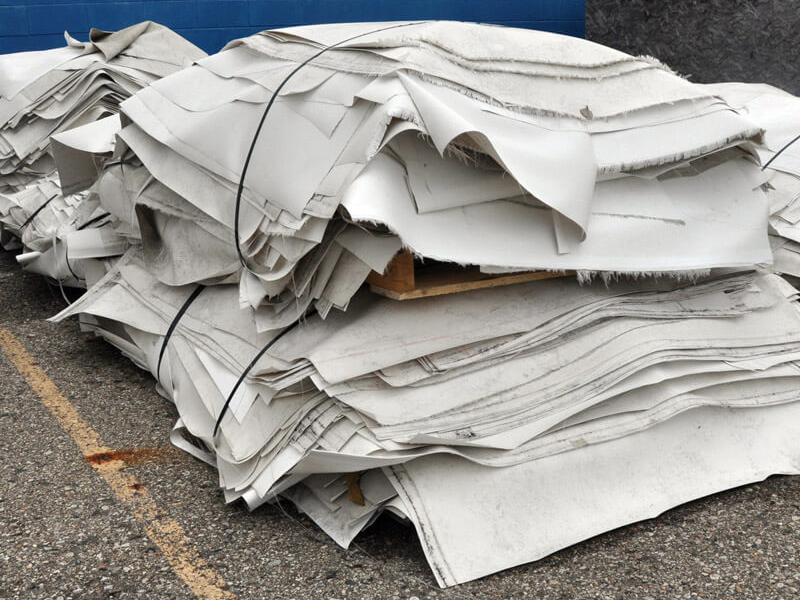
  • During the production of some PVC roofing systems, there is virtually no waste because fabrication scrap is reground and re-used in the roofing system or other building components.
  • Unlike many other roofing materials, vinyl membranes can be recycled at the end of their lives on the rooftop.

When selecting a roofing system, remember that PVC membranes are your best choice.

Faces of Duro-Last: Scott D. Franklin

November 13th, 2008
Scott D. Franklin - National Architectural Services

Scott D. Franklin - National Architectural Services


            Scott D. Franklin joined the Duro-Last sales team in June of 2008, focusing on National Architectural Services. He is responsible for developing opportunities with architectural firms for Duro-Last contractors and sales representatives, and assisting architects in creating CAD drawings and specifications in order to specify the Duro-Last roofing system for their projects. He works closely with both the TXMAS (Texas) and CMAS (California) state purchasing programs, which qualify manufacturers such as Duro-Last to be specified for school and municipality roofing projects.

            “Through former positions, I have a lot of contacts in the TXMAS and CMAS programs, which will hopefully open some doors for Duro-Last,” said Scott.

            As a matter of fact, Scott is in the process of earning a contracting license in California in order to help Duro-Last get specified on more educational and governmental roofing projects. He is also partnering with Duro-Last Vice President of Western Operations, Tim Hart, to develop more roofing opportunities in the Los Angeles area.

            “I really enjoy doing what I do best - working with people to find solutions to their problems,” he noted.

            Scott and Tim are also trying to organize a formal catastrophe-response program that would help businesses that have Duro-Last roofs receive immediate assistance following any major disaster that affects their roof. He has worked extensively with the U.S. Navy and Wal-Mart Corporation on their respective programs.

            Scott was formerly self-employed as a Roof Consultant in Celina, Texas. He also worked as a consultant/expert witness at Four T Partnership/Forensic Investigation & Consulting in Dallas as well as in sales at Owens Corning in Los Angeles.

            He earned a bachelor’s degree in marketing from Harding University.

            Scott resides in Celina with his wife, Holly, and their two sons, Tanner, a sophomore in high school, and Trevor, a sixth grader. His two older sons, Tyler, 20, and Troy, 18, attend the University of North Texas in Denton.

            So what does Scott enjoy about working at Duro-Last?

            “The great thing about Duro-Last is, we have already done the hard part and developed long-lasting relationships with our contractors,” he said. “Plus, Duro-Last has been in the roofing business for a long time and figured out what’s important - consistency and credibility.”

            “There are huge opportunities for Duro-Last with architects, specifiers, and roofing consultants, and I am looking forward to helping our sales team build those relationships,” he concluded.


###

Search
Subscribe
Subscribe to entries Entries (using your default reader)
Subscribe to comments Comments (using your default reader)

Archive
January 2009
MonTueWedThuFriSatSun
  
 1 2 3 4
5 6 7 8 9 10 11
12 13 14 15 16 17 18
19 20 21 22 23 24 25
26 27 28 29 30 31  

View Full Calendar